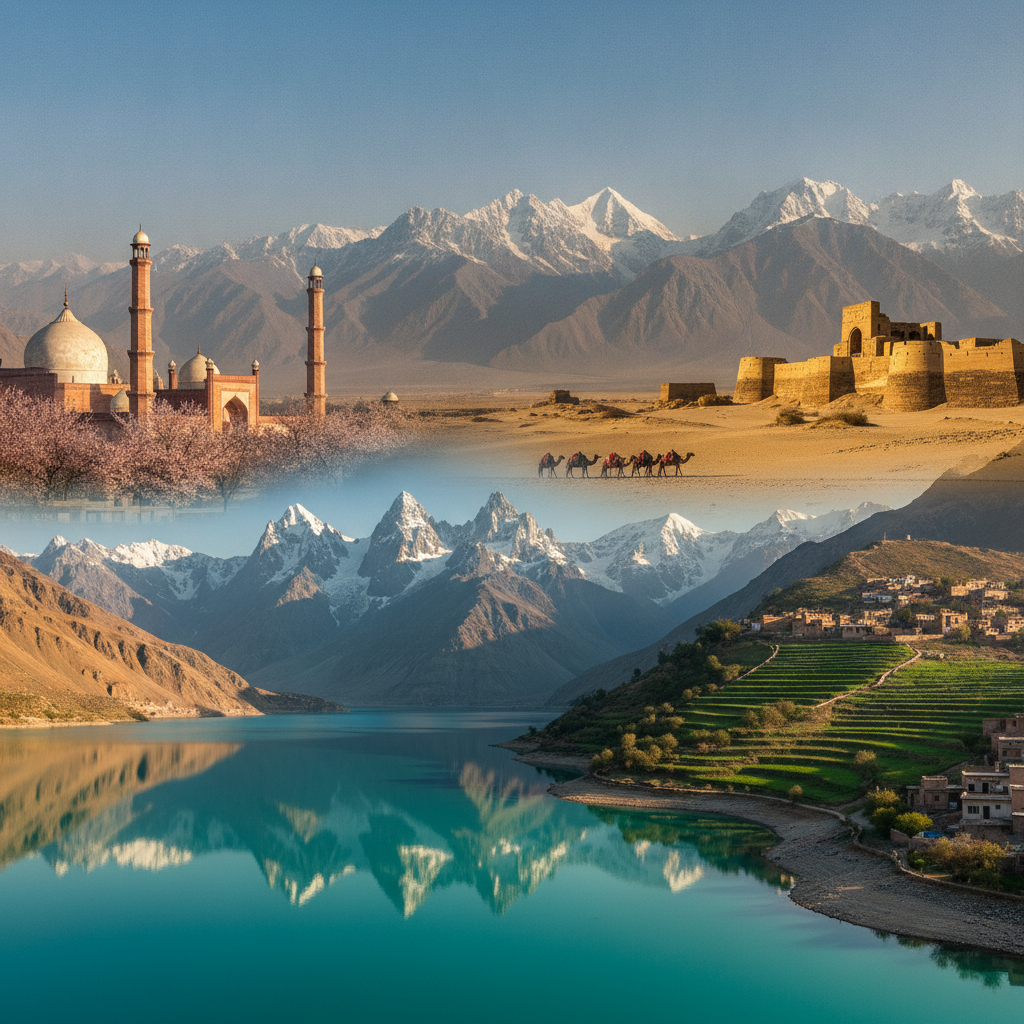
Planning a trip to Pakistan offers the exciting challenge of choosing from an astonishingly diverse landscape. From the world's highest peaks to bustling historical cities and tranquil coastal regions, Pakistan presents a unique blend of adventure, culture, and natural beauty. To help you navigate these choices, this guide outlines recommended places to visit in Pakistan, categorized by the experiences they offer, ensuring you can tailor your itinerary to your personal interests.
Table of Contents
- Discover Northern Pakistan's Majestic Mountains and Valleys
- Explore Pakistan's Rich Cultural and Historical Cities
- Experience the Coastal Charms and Desert Landscapes
- How to Choose Your Ideal Destinations in Pakistan
- Practical Tips for Planning Your Pakistani Adventure
- Frequently Asked Questions
- Charting Your Course Through Pakistan's Wonders
Discover Northern Pakistan's Majestic Mountains and Valleys
Northern Pakistan is a haven for adventurers and nature lovers, boasting some of the world's most spectacular mountain ranges and verdant valleys. This region provides unparalleled opportunities for trekking, hiking, and simply soaking in breathtaking panoramic views.
Hunza Valley
The Hunza Valley, often called 'Heaven on Earth', is renowned for its stunning landscapes, ancient forts, and the longevity of its inhabitants. Nestled amidst the Karakoram mountain range, its terraced fields, fruit orchards, and the vibrant blue waters of Attabad Lake make it a truly picturesque destination. Visit Karimabad to explore Baltit Fort and Altit Fort, offering glimpses into the region's rich history and architectural heritage.
Skardu and Gilgit-Baltistan
For those seeking high-altitude adventure, Skardu serves as the gateway to some of the world's tallest mountains, including K2. The broader Gilgit-Baltistan region offers rugged terrains, pristine lakes like Satpara and Shangrila, and the vast, otherworldly Deosai National Park, famous for its brown bears and blooming wildflowers. Fairy Meadows, with its iconic view of Nanga Parbat, is another must-visit for trekkers and wilderness enthusiasts.
Kaghan Valley
The Kaghan Valley is easily accessible and immensely popular for its lush greenery, dense forests, and crystal-clear lakes. Naran, a bustling town within the valley, is a central point for exploring surrounding attractions like Lake Saif-ul-Mulook, Lulusar Lake, and Babusar Pass, offering stunning vistas and cool mountain air during the summer months.
Explore Pakistan's Rich Cultural and Historical Cities
Pakistan's cities are vibrant hubs of history, culture, and bustling daily life, each telling a unique story through its architecture, cuisine, and traditions. These urban centers offer a deep dive into the nation's heritage.
Lahore
Lahore, often referred to as the 'Heart of Pakistan', is a city steeped in Mughal history and Sufi traditions. Its architectural marvels include the majestic Badshahi Mosque, the sprawling Lahore Fort, and the serene Shalimar Gardens, all UNESCO World Heritage Sites. The Walled City of Lahore provides a labyrinth of bazaars, food streets, and ancient Havelis, perfect for cultural immersion. For more in-depth city exploration, consult travel guides for cities in Pakistan.
Islamabad
The capital city, Islamabad, stands in stark contrast to Lahore's historical grandeur with its modern, planned layout, lush greenery, and serene atmosphere. Dominated by the iconic Faisal Mosque and flanked by the picturesque Margalla Hills, Islamabad offers a more relaxed pace. Visitors can enjoy hiking trails, explore various museums, or simply admire the city's scenic beauty.
Karachi
As Pakistan's largest city and economic hub, Karachi is a sprawling metropolis on the Arabian Sea coast. It's a city of contrasts, offering vibrant markets, historical buildings like Mohatta Palace, and serene beaches such as Clifton Beach. Karachi's diverse culinary scene, from street food to fine dining, reflects its multicultural population and maritime heritage.
Experience the Coastal Charms and Desert Landscapes
Beyond the mountains and cities, Pakistan's diverse geography extends to unique coastal areas and vast deserts, offering distinct experiences for those looking to explore off the beaten path.
Gwadar
Gwadar, a developing port city in Balochistan, is known for its dramatic coastline and emerging tourism potential. The Gwadar Coastal Highway itself is a scenic journey, leading to pristine, untouched beaches and unique geological formations like the Princess of Hope. It's an ideal spot for those seeking tranquility and natural beauty away from crowded tourist spots.
Thar Desert
Located in Sindh, the Thar Desert is one of the largest deserts in the world, renowned for its shifting sand dunes and unique desert culture. Visitors can experience camel safaris, witness traditional Thari villages, and explore the vibrant local handicrafts. The desert offers a glimpse into a distinct way of life and a starkly beautiful landscape.
How to Choose Your Ideal Destinations in Pakistan
With so many incredible options, deciding where to visit in Pakistan can be challenging. Here's a framework to help you narrow down your choices and create an unforgettable itinerary:
- Consider Your Interests: Are you an adventure seeker craving mountain treks, a history buff eager to explore ancient sites, or someone looking for cultural immersion and unique experiences? Prioritizing your main interests will guide your selection.
- Factor in Travel Duration and Budget: Northern areas often require more time due to travel distances and potential weather delays. City trips can be shorter and often more budget-friendly. Determine how much time and resources you have available.
- Think About the Best Time of Year: The weather varies significantly across Pakistan. Northern regions are best visited in summer (May-September), while cities and coastal areas are more pleasant in winter (October-March). Align your visit with the ideal season for your chosen destinations.
Pro tip: Planning with reliable travel guides for Pakistan can streamline this process, offering curated itineraries and practical advice tailored to different travel styles.
Practical Tips for Planning Your Pakistani Adventure
To ensure a smooth and enjoyable trip, consider these practical aspects when planning your visit:
- Logistics and Transportation: Domestic flights connect major cities, while road travel is common for intercity and regional journeys. Consider hiring a private car and driver, especially for mountainous regions, or using reliable bus services.
- Accommodation: A range of options exists, from luxury hotels in major cities to guesthouses and camping sites in northern areas. Book in advance, especially during peak seasons.
- Health and Safety: Consult your doctor for necessary vaccinations. Stay hydrated, especially in warmer regions, and be mindful of altitude sickness in the mountains.
- Respect Local Customs: Pakistan is a conservative country. Dressing modestly, especially for women, and showing respect for local traditions and religious sites will enhance your experience.
Note: Always consult local authorities or regional travel guides for the latest information on specific areas, including road conditions, safety advisories, and permit requirements, particularly for remote or sensitive regions.
Frequently Asked Questions
Is Pakistan safe for tourists?
Generally, Pakistan is considered safe for tourists, particularly in popular tourist regions like the northern areas, Lahore, and Islamabad. However, like any destination, it is important to exercise caution, stay informed about local conditions, and follow government travel advisories. Many travelers visit Pakistan each year without incident, enjoying its hospitality and beauty.
What is the best time of year to visit Pakistan?
The best time to visit Pakistan largely depends on the region you plan to explore. For the northern mountain areas, the ideal period is generally from May to September when the weather is mild and roads are open. For cities like Lahore, Islamabad, and coastal areas, the cooler months from October to March are most pleasant, avoiding the intense summer heat.
Do I need a visa to visit Pakistan?Most foreign nationals require a visa to enter Pakistan. The specific requirements and application process can vary based on your nationality. It is advisable to check with the Pakistani embassy or consulate in your country of residence well in advance of your travel date to understand the latest visa regulations and apply accordingly.
Charting Your Course Through Pakistan's Wonders
Pakistan is a land of incredible diversity, offering everything from serene mountainscapes to vibrant urban life and unique desert-coastal frontiers. By understanding the distinct experiences each region offers, you can confidently choose the recommended places to visit in Pakistan that align perfectly with your travel aspirations. Start dreaming and planning your journey, knowing that a memorable adventure awaits.
For more insights and tips on exploring this captivating country, continue to browse the Visit Pakistan blog or get in touch with us for personalized travel advice.