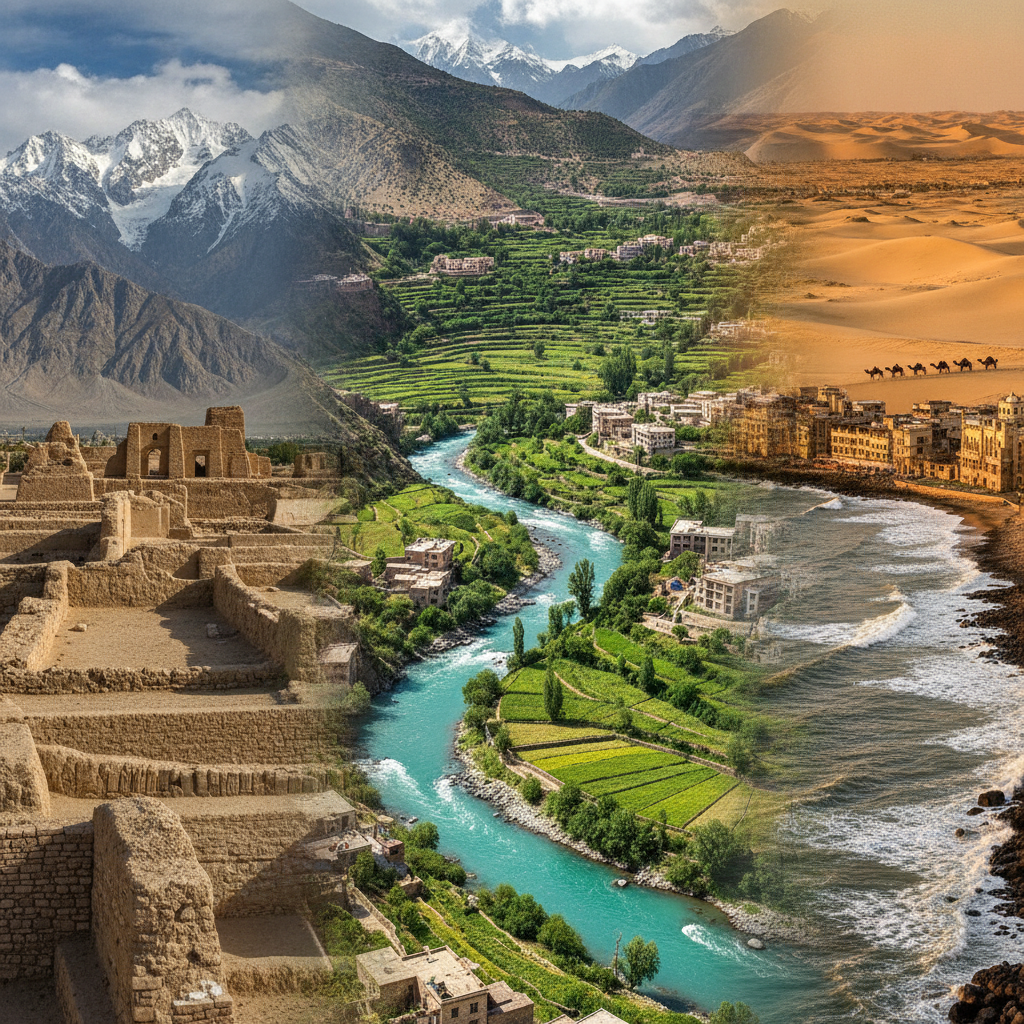
Planning a trip to Pakistan offers a world of choice, from soaring mountain peaks to bustling historic cities and tranquil coastal areas. With such a vast and varied landscape, it can be challenging to decide where to begin your adventure. This guide aims to simplify your planning by highlighting the top recommended places to visit in Pakistan, helping you tailor your journey to your interests.
Pakistan offers a diverse array of captivating destinations, from the majestic Himalayan peaks and ancient historical sites to vibrant cultural cities and serene coastal landscapes, providing unique experiences for every traveler. Whether you're drawn to extreme trekking, deep dives into ancient history, or simply soaking in local culture, Pakistan has a destination that will speak to your spirit of exploration.
Table of Contents
- Unveiling Pakistan's Diverse Beauty
- Embrace the Heights: Pakistan's Northern Mountain Paradises
- Journey Through Time: Pakistan's Rich Historical and Cultural Centers
- Explore the Untamed: Deserts, Coasts, and Unique Landscapes
- Vibrant Urban Life and Coastal Hubs
- Planning Your Trip: Essential Tips for Travelers
- Embark on Your Pakistan Adventure
- Frequently Asked Questions
Unveiling Pakistan's Diverse Beauty
Pakistan is a land of incredible contrasts, offering everything from the world's highest mountains to ancient civilizations, lush green valleys, and expansive deserts. For first-time visitors or seasoned explorers, understanding this diversity is key to choosing your ideal destination. This guide goes beyond a simple list, offering insights into the unique experiences each region provides, helping you align your travel desires with the perfect Pakistani locale.
Embrace the Heights: Pakistan's Northern Mountain Paradises
For adventurers and nature lovers, Pakistan's northern regions are an unparalleled paradise, home to some of the world's most spectacular mountain ranges, including the Himalayas, Karakoram, and Hindu Kush.
Hunza Valley: The Jewel of Gilgit-Baltistan
The Hunza Valley is often called the 'Heaven on Earth' for its breathtaking scenery, ancient forts, and vibrant culture. Visitors come here for the stunning views of snow-capped peaks like Rakaposhi and Ultar Sar, the serene turquoise waters of Attabad Lake, and the historic Baltit and Altit Forts, which offer a glimpse into the region's royal past. The local Hunza people are renowned for their hospitality and healthy lifestyle.
Pro tip: Visit in spring to see the apricot blossoms or in autumn for the vibrant golden foliage that transforms the entire valley.
Skardu and the Karakoram Majesty
Skardu, the capital of Baltistan, is the gateway to some of the highest mountains in the world, including K2. It's a prime destination for trekking, mountaineering, and exploring vast, untouched landscapes. Key attractions include the serene Shangrila Resort (Lower Kachura Lake), the expansive Deosai Plains (home to the Himalayan brown bear), and the stunning Satpara Lake. This region is perfect for those seeking raw natural beauty and challenging adventures.
Naran Kaghan: Lush Valleys and Alpine Lakes
The Naran Kaghan Valley, situated in the Mansehra District of Khyber Pakhtunkhwa, is famous for its lush greenery, dense forests, and pristine alpine lakes. Lake Saif-ul-Malook, with its mystical folklore and surrounding peaks, is a must-visit, as are Lulusar Lake and the Babusar Pass, which offers panoramic views and connects the valley to Gilgit-Baltistan. It's an accessible escape for families and those looking for picturesque natural retreats.
Swat Valley: A Historical Gem Amidst Greenery
Often referred to as the 'Switzerland of the East' due to its verdant mountains and clear rivers, Swat Valley offers a blend of natural beauty and rich historical significance. Beyond its scenic charm, Swat is steeped in Buddhist history, with ancient stupas and archaeological sites. Malam Jabba ski resort provides winter sports opportunities, making it a year-round destination.
Journey Through Time: Pakistan's Rich Historical and Cultural Centers
For those fascinated by history, architecture, and vibrant traditions, Pakistan's central and southern regions are treasure troves of ancient civilizations and Mughal grandeur.
Lahore: The Heart of Mughal Heritage
Lahore, the cultural capital of Pakistan, is a city where history breathes through every brick and alley. The Walled City of Lahore is a UNESCO World Heritage site featuring architectural marvels like the majestic Badshahi Mosque, the sprawling Lahore Fort, and the exquisite Shalimar Gardens. Beyond the historical sites, Lahore offers a vibrant food scene, bustling bazaars, and a lively arts culture, making it an immersive experience into Pakistan's rich past and present. For more detailed insights into city travel, refer to our Essential Companion: Travel Guides for Cities in Pakistan.
Islamabad: The Serene Capital City
In contrast to Lahore's historical bustle, Islamabad stands as Pakistan's modern, planned capital. Nestled against the Margalla Hills, it's known for its clean streets, lush greenery, and peaceful ambiance. Key attractions include the iconic Faisal Mosque, one of the largest mosques in the world, and scenic viewpoints like Daman-e-Koh and Pir Sohawa, offering stunning vistas of the city. Islamabad is an ideal spot for relaxation and enjoying modern Pakistani life amidst natural beauty.
Multan: City of Sufi Saints and Ancient Craft
Multan, one of the oldest cities in South Asia, is renowned for its numerous Sufi shrines, earning it the title 'City of Saints.' The city's rich spiritual heritage is reflected in its stunning mausoleums, including the shrines of Shah Rukn-e-Alam and Bahauddin Zakariya. Multan is also famous for its intricate blue pottery, vibrant bazaars, and delicious local cuisine, offering a deep dive into the region's spiritual and artistic traditions.
Thatta: Echoes of Indus Civilization
Located in Sindh, Thatta holds a significant place in Pakistan's history as a former capital. It is home to the Makli Necropolis, one of the largest funerary sites in the world and a UNESCO World Heritage site, boasting thousands of tombs and graves adorned with exquisite stone carvings. The Shah Jahan Mosque, an architectural masterpiece built by the Mughal emperor, is another highlight, showcasing intricate tile work and unique acoustic properties. Thatta offers a powerful journey into the ancient past of the Indus civilization.
Explore the Untamed: Deserts, Coasts, and Unique Landscapes
Beyond mountains and historical cities, Pakistan offers diverse natural wonders, from expansive deserts to untouched coastal areas.
The Thar Desert: A Cultural Tapestry
Spanning parts of Sindh province, the Thar Desert is a living, breathing landscape where unique cultures and traditions thrive. This isn't a barren wasteland but a vibrant ecosystem supporting diverse communities, wildlife, and even lush patches during the monsoon season. Experiencing the Thar offers a glimpse into a different way of life, with traditional villages, camel safaris, and distinctive local music and craft.
Astola Island: Pakistan's Remote Marine Sanctuary
Off the coast of Balochistan lies Astola Island, also known as Haft Talar, Pakistan's largest offshore island and its first marine protected area. This uninhabited island is a pristine paradise for nature enthusiasts, offering opportunities for snorkeling, diving, and observing untouched marine life. Its unique geological formations, clear waters, and isolation make it a truly special and serene escape for those seeking remote natural beauty.
Kund Malir and Hingol National Park: Coastal Wonders
Along the Makran Coastal Highway in Balochistan, Kund Malir Beach is a stunning, unspoiled stretch of golden sand and clear blue waters. It's part of the vast Hingol National Park, which is known for its dramatic mud volcanoes, unique rock formations like the 'Princess of Hope,' and diverse wildlife. This region offers a rugged, adventurous coastal experience, perfect for road trips and exploring unique geological marvels.
Vibrant Urban Life and Coastal Hubs
For those who prefer the energy of city life or seek relaxation by the sea, Pakistan's major urban centers and coastal regions offer dynamic experiences.
Karachi: The Bustling Metropolis by the Sea
Karachi, Pakistan's largest city and economic hub, is a vibrant port city pulsating with energy. It offers a diverse range of experiences, from relaxing at Clifton Beach to exploring historical sites like the Mohatta Palace and Frere Hall. The city is a melting pot of cultures, reflected in its varied cuisine, bustling markets, and modern shopping malls. Karachi provides a quintessential urban experience, complete with a lively nightlife and a rich arts scene.
Gwadar: A Promising Coastal Frontier
Gwadar, located on the Arabian Sea coast of Balochistan, is an emerging port city rapidly gaining recognition for its natural deep-sea port and pristine, untouched beaches. Its unique hammerhead-shaped peninsula and developing infrastructure make it a fascinating destination for those interested in seeing a city in transformation. The scenic views, quiet beaches, and potential for future development offer a distinct travel experience.
Planning Your Trip: Essential Tips for Travelers
Once you've narrowed down your desired destinations, a little preparation goes a long way to ensure a smooth and enjoyable trip. For comprehensive guidance on preparing for your journey, consider consulting our Your Essential Companion: Travel Guides for Places to Visit in Pakistan.
When to Visit: Seasons and Regions
Pakistan experiences diverse climates. The best time to visit the northern areas is generally from May to October when mountain passes are open and weather is pleasant. For cities like Lahore and Karachi, and the southern regions, the cooler months from November to March are ideal to avoid extreme heat. The Thar Desert is also best visited in the cooler season.
Navigating Pakistan: Transport and Accommodation
Internal travel in Pakistan can be done by air, train, or road. Major cities are well-connected by domestic flights, while buses and private cars are popular for regional travel. Shared vans (daewoo) offer comfortable inter-city travel. Accommodation ranges from luxury hotels in major cities to guesthouses and budget-friendly options, especially in tourist hubs. Booking in advance is recommended, particularly during peak seasons.
Respecting Local Culture and Customs
Pakistan is a conservative country with rich Islamic traditions. Dressing modestly, especially for women, is advised. Always ask for permission before taking photos of people. Learning a few basic Urdu phrases can also greatly enhance your interactions and show respect for local customs. For more in-depth advice on regional travel, see our Your Essential Guide to Choosing and Using Travel Guides for Pakistan's Regions.
Staying Safe and Prepared
As with any travel, it's wise to stay informed about local conditions. Registering your travel with your embassy can be helpful. Keep important documents secure, have travel insurance, and stay hydrated. Local hospitality is legendary, and Pakistanis are generally very welcoming to tourists.
Embark on Your Pakistan Adventure
Pakistan is a country of extraordinary beauty and profound cultural depth, ready to be explored. From the silent majesty of its northern peaks to the historical echoes in its ancient cities and the vibrant life along its coasts, every corner offers a unique story. With thoughtful planning, your journey through Pakistan will undoubtedly be an unforgettable experience.
We invite you to delve deeper into the wonders of Pakistan by continuing to explore the comprehensive travel guides and articles available on the Visit Pakistan blog. Your next adventure awaits!
Frequently Asked Questions
Is Pakistan a safe country for tourists to visit?
Yes, many parts of Pakistan are safe and welcoming for tourists. Security has significantly improved in recent years, making popular tourist destinations like the northern areas and major cities generally safe. However, like any travel destination, it's always wise to exercise caution, stay informed about local conditions, and follow official travel advisories.
What are the visa requirements for visiting Pakistan?
Visa requirements for Pakistan vary significantly based on your nationality. Many countries are eligible for an e-visa, which simplifies the application process. It's crucial to check the latest visa policies and apply well in advance through the official Pakistan government portal to ensure a smooth entry.
What is the best time of year to explore Pakistan?
The best time depends on your chosen region. For the mountainous northern areas, May to October is ideal. For central and southern Pakistan, including Lahore, Karachi, and the deserts, the cooler winter months from November to March are more comfortable. Spring (March-April) and Autumn (October-November) offer pleasant weather across many regions.
How can I travel around Pakistan?
Pakistan offers various transportation options. Domestic flights connect major cities efficiently. For road travel, comfortable bus services (like Daewoo Express) operate between cities, and private cars or jeeps with drivers are widely available, especially for exploring remote northern areas. Trains also connect major cities but can be slower.